

RENOVATIONS


WHO WE ARE
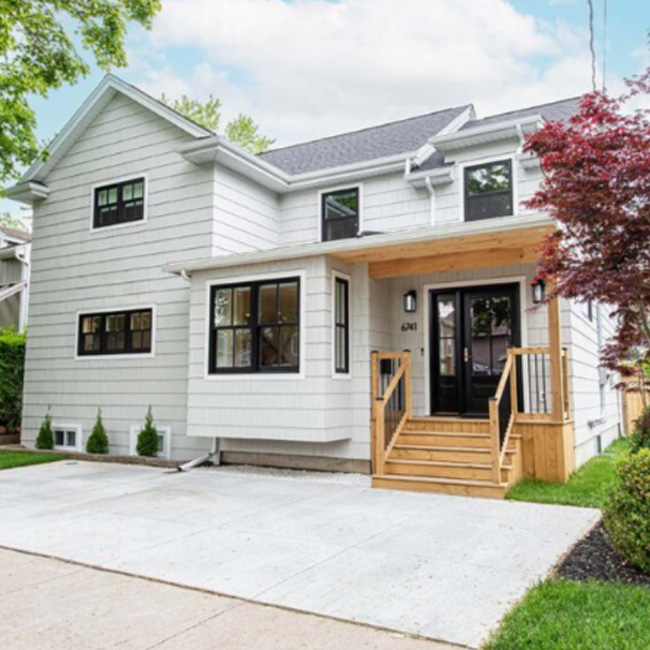
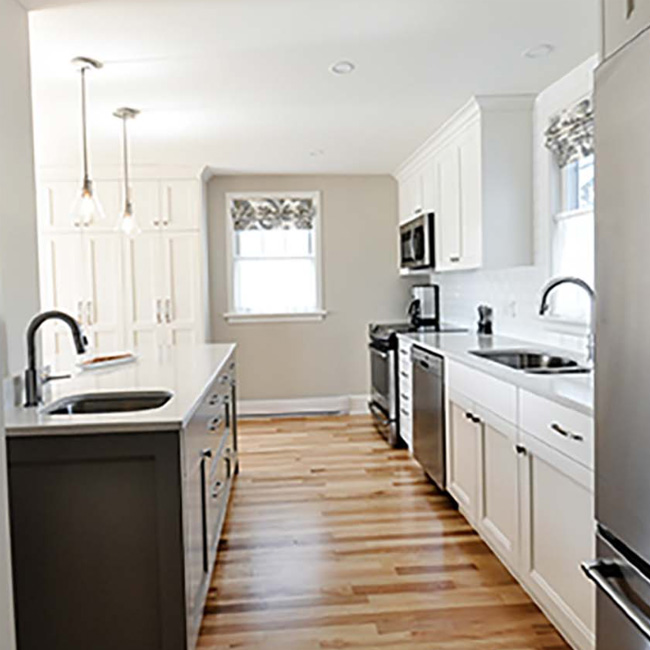
i love renovations At i love renovations, we offer comprehensive renovation services for both residential and commercial spaces in Halifax. Whether it’s a major addition or a simple repair, like mending a loose stair railing, our projects vary widely in scale. Our dedicated team has expertly revamped kitchens, bathrooms, basements, bedrooms, and decks, and we take pride in our custom millwork, as well as the installation of windows and doors. We apply fresh paint, devise stylish storage solutions, and ensure sound structural integrity.
We recognize that every client and project is unique, but our commitment to professionalism and superior craftsmanship remains constant across all our endeavors.
Our collaborative approach ensures that you are informed and involved at every stage of the renovation. For us, the journey is just as important as the destination. We focus on the families we serve, the spaces we enhance, and the lasting relationships we foster. We’re dedicated to redefining the renovation experience into something enjoyable, professional, and utterly dependable.
Our team consists of inventive, passionate, and skilled professionals who thrive on the renovation process. True to our name, we love what we do, and we’re excited to help realize your vision.
WHY US
WHAT ARE PEOPLE SAYING?


POPULAR READS
Design Your Deck Dartmouth
Designing a deck for your Dartmouth home means choosing between several material options, structural approaches, and aesthetic directions-each with real trade-offs in cost, durability, and maintenance. I Love Renovations Inc. helps homeowners and property managers in Dartmouth navigate these choices to build outdoor spaces that fit their budget, climate needs, and how they actually want to live.
Whether you are thinking about a simple ground-level platform or a multi-level structure with custom railings and integrated seating, the decision-making process is similar: understand what your property can support, what weather Dartmouth throws at outdoor structures, and which materials will age the way you want them to.
Material Choices for Decks in Dartmouth
Your deck material is the single largest factor in how your finished project will look, perform, and demand your attention over time. Dartmouth's maritime climate-salt air, freeze-thaw cycles, and consistent moisture-means some materials handle the environment better than others.
Pressure-treated lumber is the traditional choice and remains popular because it is affordable and widely available. Because it is chemically treated to resist rot and insect damage, it lasts 15 to 20 years in Dartmouth's coastal conditions. The trade-off: it requires regular staining or sealing every two to three years to maintain appearance and protection. It also weathers to gray if left unfinished, which some owners like and others do not.
Composite decking blends wood fibers with plastic polymer. It resists fading, staining, and rot without the need for staining or sealing-a genuine convenience for busy homeowners. Composite costs more upfront, but because maintenance is minimal, the lifetime cost is often comparable to wood. Dartmouth's salt spray can eventually fade composite boards, though newer formulations resist this far better than older versions. Feel and sound differ slightly from real wood; some people prefer it, others miss the authentic texture.
Pressure-treated pine or cedar offers a middle ground: real wood appearance and feel, better durability than untreated softwood, and moderate cost. Cedar performs particularly well in maritime climates because its natural oils resist decay. It still requires periodic sealing, but many Dartmouth owners find the aesthetic worth the upkeep.
Hardwoods like cumaru or ipe are extremely dense and durable, lasting 25+ years with minimal treatment. They resist both rot and insect damage naturally. The downsides: they are expensive, harder to work with (requiring specialty fasteners), and sourcing sustainable options matters if that is important to you.
| Material | Initial Cost | Maintenance | Lifespan in Dartmouth Climate | Best For |
|---|---|---|---|---|
| Pressure-treated lumber | Low | Stain/seal every 2-3 years | 15-20 years | Budget-conscious owners, traditional look |
| Composite decking | High | Minimal (occasional cleaning) | 20-30 years | Low-maintenance preference, appearance consistency |
| Cedar or treated softwood | Moderate | Seal periodically | 15-25 years | Natural wood look, moderate care commitment |
| Tropical hardwood | Very high | Minimal | 25+ years | Premium durability, bold investment |
Design Approach: What Works for Dartmouth Homes
Beyond material, your design strategy depends on your property's layout, how you use outdoor space, and what your house's architectural style already says.
Ground-level decks (12 inches or lower) work well for modest yards or properties where you want minimal visual impact. They are less expensive to build because they require less structural support, and in Dartmouth's weather, they are easier to maintain because water drains quickly underneath. The trade-off: they offer less separation from the ground and can feel less defined as an outdoor room.
Elevated decks (2 to 8 feet high) create a sense of height and openness, especially valuable for Dartmouth homes with water views or sloped terrain. They maximize usable space beneath the structure-many owners add storage or a sheltered area below. Because they are more exposed to weather on all sides, material choice matters more here. Wind and salt spray are stronger at height, so durability becomes a real consideration.
Multi-level decks suit larger properties or sloped lots. They create visual interest and define different zones-perhaps a dining area at one level and a lounge area at another. They are more complex to design and build, which is why working with an experienced contractor in Dartmouth makes the difference between a successful layout and one that feels awkward or unsafe.
Railings, stairs, and custom millwork also shape how a deck functions. I Love Renovations Inc. incorporates these details thoughtfully-not as afterthoughts. A well-designed railing in composite or cedar, matched to your home's trim and windows, makes the deck feel like an intentional extension of your house rather than something bolted on.
Many Dartmouth homeowners also add features like built-in benches, planters, shade structures, or integrated lighting. These elevate the experience and justify the investment because they make the space genuinely livable-not just a platform you step onto occasionally.
Your choice between these approaches boils down to how much you use your outdoor space, your maintenance comfort level, and how much you want to invest. A contractor experienced in Dartmouth properties understands these trade-offs and helps you decide based on your actual priorities, not just aesthetics.
If you are ready to explore what a deck design might look like for your Dartmouth home, I Love Renovations Inc. is ready to listen. Reach out to discuss your property, your ideas, and what approach makes sense for you.
Frequently Asked Questions
What deck material lasts longest in Dartmouth's coastal climate?
Tropical hardwoods like cumaru or ipe last 25+ years with minimal treatment, making them the most durable option for Dartmouth's salt spray and freeze-thaw cycles. Composite decking and treated cedar both reach 20-25 years with proper care. Pressure-treated softwood typically lasts 15-20 years in coastal conditions, so material selection directly affects how often you will need to replace or repair the structure.
Is composite decking worth the extra cost in Dartmouth?
Composite costs 20-40 percent more upfront but eliminates the need for staining or sealing every few years. For Dartmouth homeowners who value their time, the lower maintenance often justifies the higher initial investment, especially over a 20-30 year lifespan. However, if you enjoy caring for real wood or are on a tight budget, pressure-treated lumber or cedar can be excellent choices.
How high should my deck be in Dartmouth, and does it affect cost?
Ground-level decks (under 12 inches) are less expensive and simpler to maintain. Elevated decks (2-8 feet) cost more because they require stronger structural support and are more exposed to weather, but they maximize usable space and offer better separation from the ground. Your choice depends on your yard's slope, how you want to use the space, and your budget.
CONTACT US

P.O. box 26025, 650 Portland Street, Dartmouth, N.S
Mon-Fri: 07.30 am – 08.00 pm